Patrick Conner, University of Georgia, and Ali Sarkhosh, University of Florida
Gold Delight™ (‘Ga. 6-1-269’) is a new bronze muscadine released from the University of Georgia breeding program. It was selected from a cross of ‘Early Fry’ × ‘Tara’ and has been tested in Tifton, GA, and Citra, FL. Gold Delight™ is being submitted for U.S. plant patent protection.
Vine characteristics
Gold Delight™ vines are hermaphroditic and do not require a pollenizer. Gold Delight™ have good vine vigor, with canes typically 3.9 – 4.6 ft long and 0.1 – 0.4 inch in diameter. The growth habit is well suited for standard trellis systems. Vines remained healthy in all trials, with no symptoms of Pierce’s disease observed.
Yield and fruit quality
Yields of Gold Delight™ in both Tifton and Citra trials were comparable to leading fresh-market cultivars. In Tifton, total and usable yield were similar across all cultivars (Gold Delight™, Paulk®, Hall®, Supreme), and in Citra, Gold Delight™ yielded as well as Paulk® and ‘Supreme’, and higher than the bronze cultivar Hall®. Usable yield, fruit free of rot and pedicel scar splitting, followed similar trends, indicating consistent commercial packout potential.
Berry size of Gold Delight™ is very large (15–16 g), slightly smaller than ‘Supreme’ and Paulk® but larger than Hall® (Table 1), making it the largest hermaphroditic bronze muscadine currently available. Berries are round and green turning to bronze at full maturity, similar in color to ‘Fry’ (Figs. 1, 2). Soluble solids levels were similar to the check cultivars, and flavor quality was good. Seed number was comparable to the other large-berry cultivars. Ripening time is early-midseason, about five days after Hall®, and roughly a week earlier than Paulk® and ‘Supreme’.
Fruit rot in muscadines is typically higher in bronze cultivars, but Gold Delight™ consistently showed lower rot incidence than Hall® and similar levels to the black cultivars ‘Supreme’ and Paulk®. This improved rot resistance is especially beneficial in Deep South production areas prone to late-summer rain. Dry pedicel scars were comparable to ‘Supreme’, and slightly less than Hall® and Paulk®, although this did not lead to lower useable yields.
Recommendation
Gold Delight™ is recommended as an early-midseason bronze muscadine for the fresh market. It offers a rare combination of bronze color, very large berry size, hermaphroditic flowers, and good rot resistance, traits that distinguish it from existing bronze cultivars. Limited information is available on cold hardiness, so large plantings in northern muscadine regions should await further testing.
Availability
‘Ga. 6-1-269’ is owned by the University of Georgia Research Foundation and will be marketed under the name Gold Delight™. Propagation rights are managed by the UGA Research Foundation Technology Commercialization Office (Athens, GA). A list of licensed nurseries is available by contacting the author.
Acknowledgments
This work was supported by the USDA NIFA Specialty Crop Research Initiative (SCRI) Award #2024-51181-43236, the Florida Department of Agriculture and Consumer Services Viticulture Program, and USDA NIFA Hatch project #006327. The authors thank Dustin Huff, Leah Bryant, Uzman Khalil, Fariborz Habibi, and Jonathan Clavijo Herrera for their help with the trial at UF-IFAS.
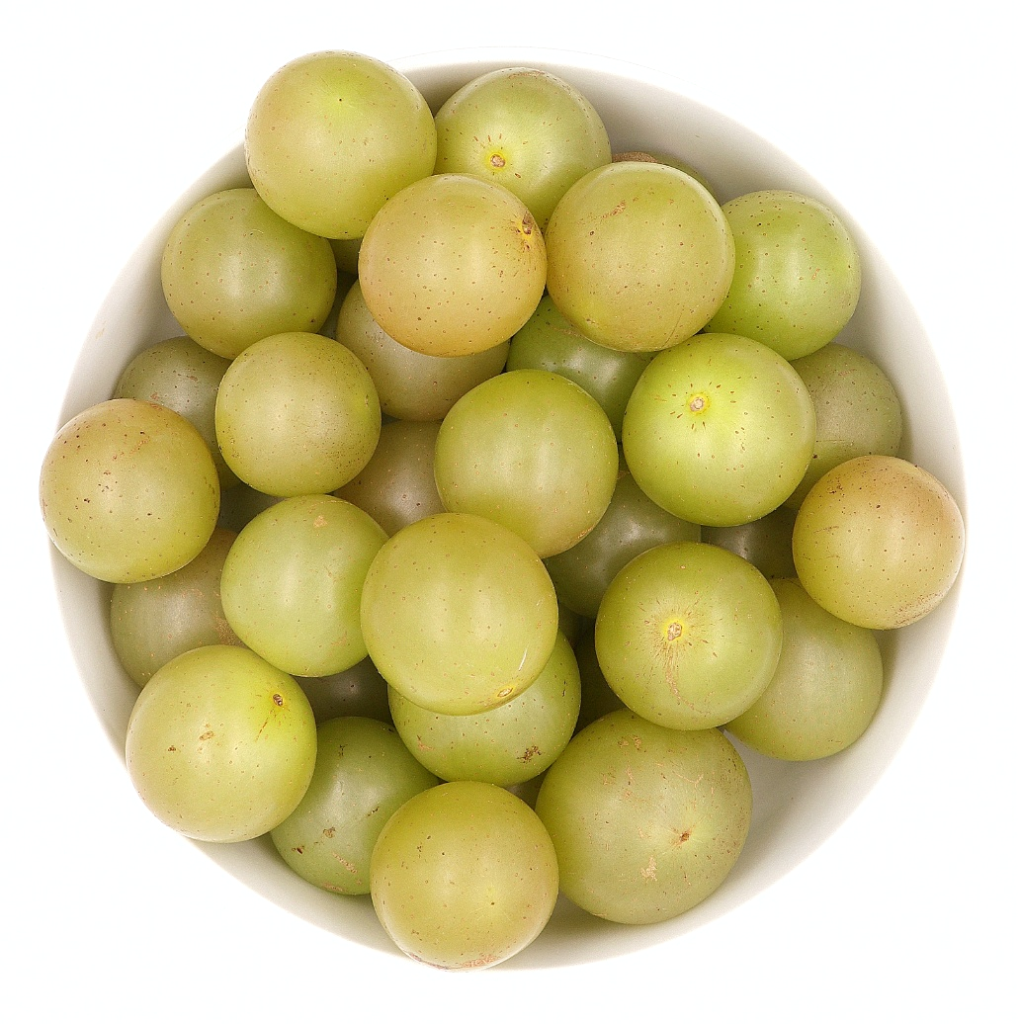
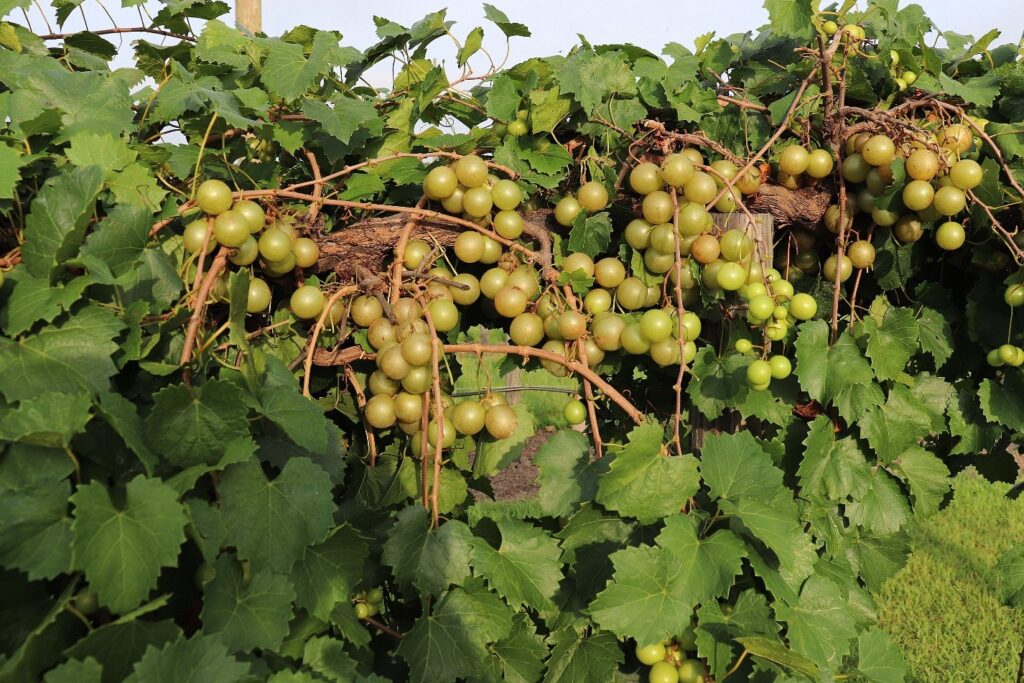
Table 1. Flower and fruit attributes of Gold Delight™ and standard muscadine cultivars at Tifton, GA in the third and fifth through eighthz years of growth (2019, 2021-2024).
| Cultivar | Flower typey | Berry color | Avg. day of first harvest | Berry rot (%)x | Berry stem scar split (%)x | Berry stem scar tear (%)x | Dry scar (%)x | Berry wt. (g)x | Berry diam. (mm)x | Percent soluble solids of all harvests x |
|---|---|---|---|---|---|---|---|---|---|---|
| Gold Delight™ | SF | Bronze | 222 b | 2.0 b | 8.1 ab | 18.9 b | 70.9 b | 14.8 b | 29.4 a | 14.5 |
| Hall® | SF | Bronze | 218 c | 7.5 a | 3.2 b | 8.0 a | 81.3 a | 11.0 c | 26.6 b | 14.9 |
| Paulk® | SF | Black | 233 a | 2.9 b | 5.8 ab | 8.5 a | 82.8 a | 16.6 a | 30.3 a | 14.8 |
| Supreme | F | Black | 232 a | 1.6 b | 10.3 a | 22.1 b | 66.0 b | 15.9 ab | 29.8 a | 14.6 |
| Significance | <0.001 | <0.001 | <0.001 | <0.001 | <0.001 | <0.001 | <0.001 | N.S. |
z Year 4 was 2020 and harvest was interrupted by the Covid crisis.
y (SF) self-fertile, (F) female
x Within each column, values with different letters differ significantly (Holm-Sidak test, P<0.05); A ten berry sample was crushed to measure soluble solids of juice.