Small Fruit News
The Southern Region Small Fruit Consortium posts articles and sends the SMALL FRUIT NEWS to subscribers four times annually.
-

View some opportunities to attend Southern regional events during Fall 2026.
Posted in: Fall 2026 -
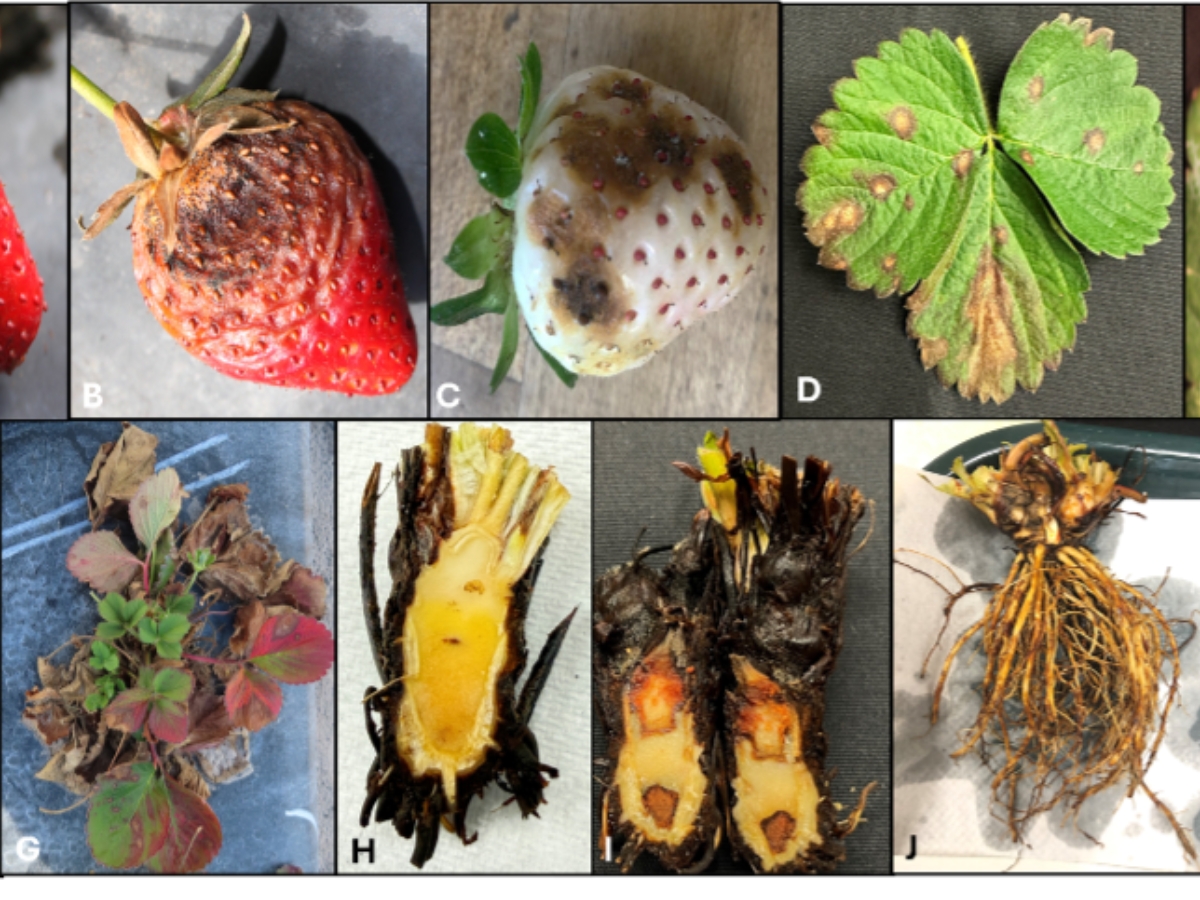
Neopestalotiopsis continues to be one of the most challenging diseases facing strawberry growers. Since serious outbreaks were first observed in 2017, University of Florida researchers have been working to understand where the pathogen comes from, how long it survives, which cultivars are most at risk, and how cultural practices and fungicides can reduce losses.
Posted in: Fall 2026 -

Management of weeds in blueberry production is critical for protecting crop yield and quality. Weed management costs represent a sizable portion of the expenditure necessary to produce a blueberry crop.
Posted in: Fall 2026 -
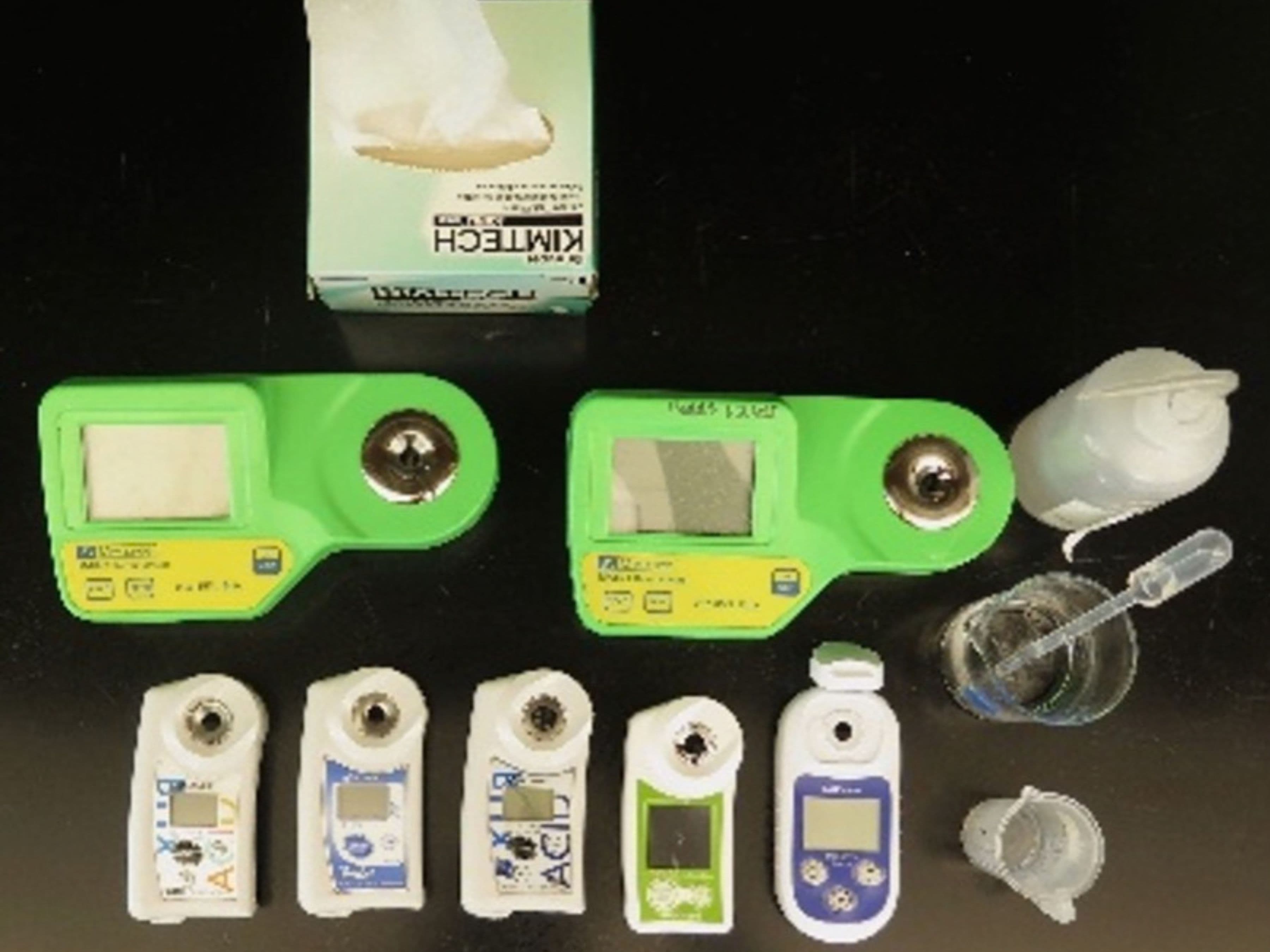
Can inexpensive digital refractometers provide accurate fruit sweetness readings? A recent study compared seven refractometers ranging from $15 to $1,200 using known sucrose solutions and strawberry and blueberry purees.
Posted in: Fall 2026 -

Hannah Wright-Smit is the Extension Weed Specialist covering pastures and horticultural crops, based in Knoxville at the University of Tennessee.
Posted in: Fall 2026 -

Spotted lanternfly continues to expand across the southern United States, posing new risks to vineyards, nurseries, and specialty crops. Learn how to identify this invasive pest, understand its life cycle, and help prevent its spread through monitoring and reporting.
Posted in: Summer 2026 -

A three-year study found that the time of day has little effect on grapevine tissue nutrient concentrations, giving growers more flexibility when collecting samples while supporting consistent nutrient management practices.
Posted in: Summer 2026 -

Dr. Stephan Sommer joins the University of Tennessee as an Extension Specialist for Enology and Fermentation, bringing decades of experience in winemaking, research, and education to support Tennessee’s growing wine industry.
Posted in: Summer 2026 -

Viruses can significantly reduce berry crop productivity, especially in blackberries. Learn why starting with clean plants is the most effective strategy for preventing virus infections and protecting long-term plant health.
Posted in: Summer 2026 -
Auburn University researchers evaluated early-ripening blueberry cultivars grown in open-field and high tunnel systems in central Alabama. High tunnels advanced harvest timing, increased yields, improved fruit quality, and provided valuable protection from spring frost, helping growers extend their marketing window and reduce production risks.
Posted in: Summer 2026