Blackberries
Blackberry articles written by members of the Southern Region Small Fruit Consortium. More information on Caneberry crops.
-
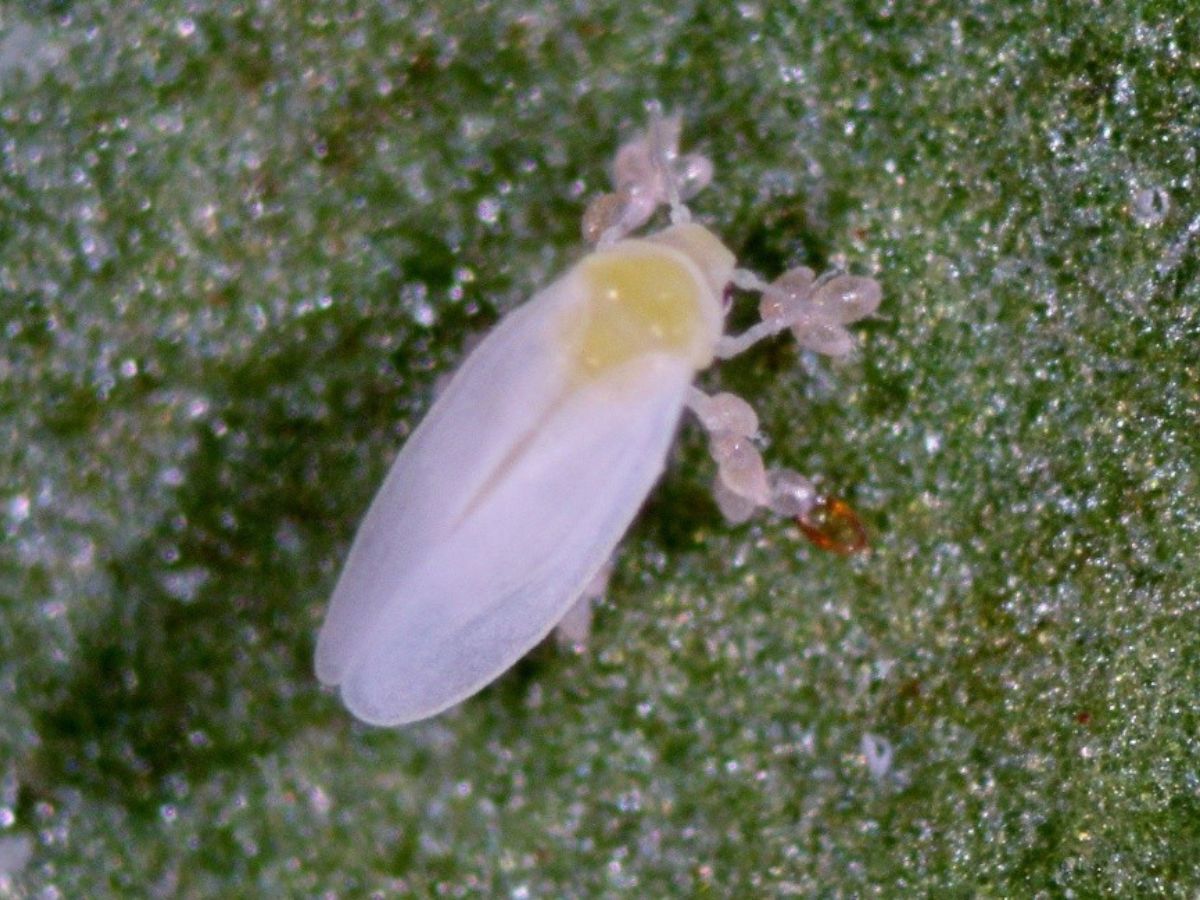
Growers across the Southeast are increasingly interested in integrating predatory mites into blackberry and raspberry pest management, especially those using high-tunnel systems and organic or reduced-spray programs.
Posted in: Winter 2026 -
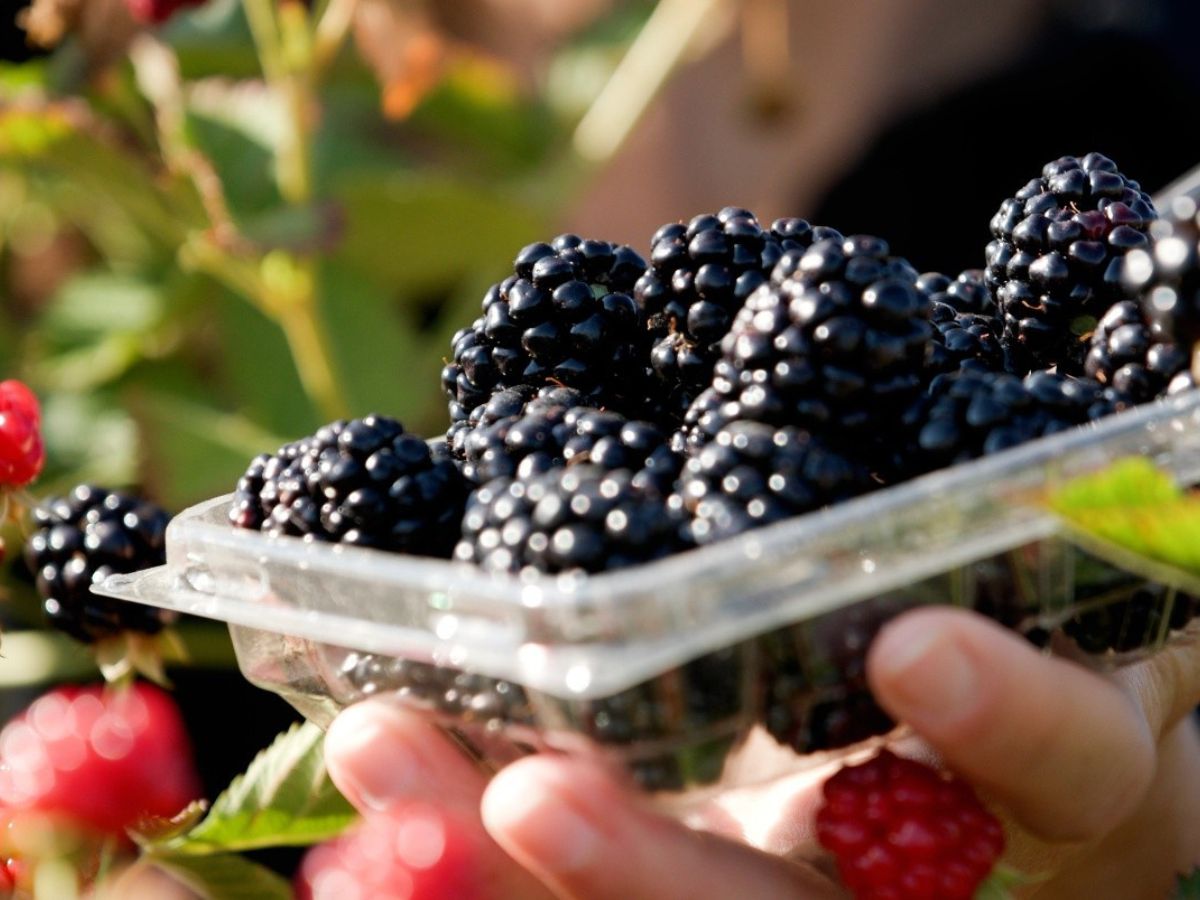
Sweet-Ark® Immaculate™ is a floricane-fruiting, thornless blackberry released in 2023 by the University of Arkansas System Division of Agriculture Fruit Breeding Program.
Posted in: Winter 2026 -
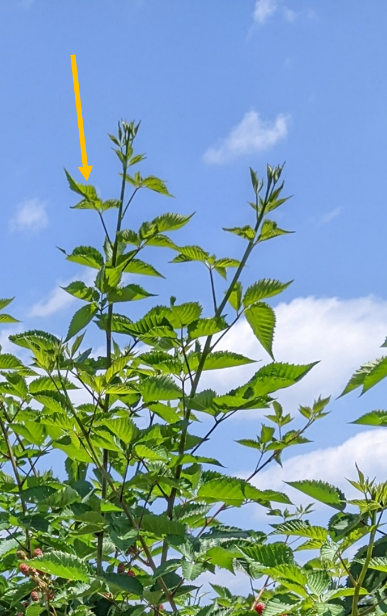
Leaf tissue nutrient sampling is an important tool for monitoring blackberry nutrient status. Leaf tissue nutrient samples must be collected from the correct type of leaf and at the correct time in order to accurately compare results to established ranges.
Posted in: Winter 2026 -

Dr. Heather Kirk-Ballard is an Extension Specialist and Assistant Professor of Sustainable Urban Landscapes in the Department of Horticulture at the University of Georgia.
Posted in: Fall 2025 -
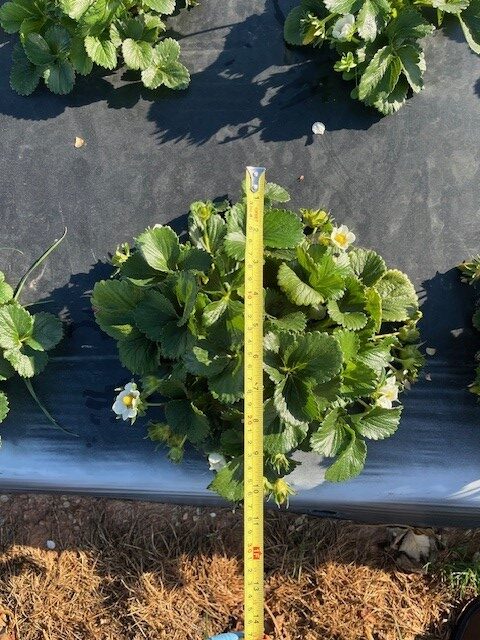
Recent testing at Clemson University assessed the impact of various DMI fungicide programs after planting on ‘Albion’ canopy height and total yield.
Posted in: Fall 2025 -
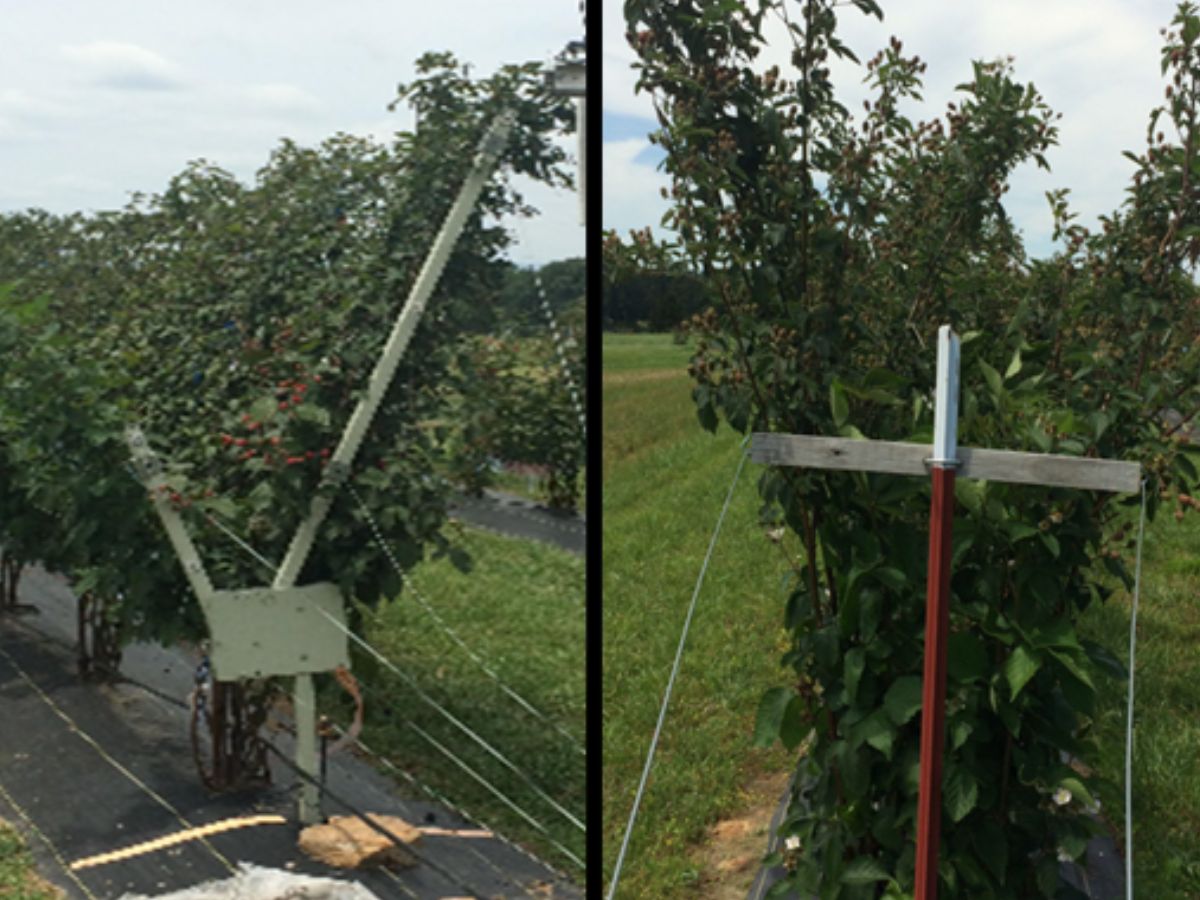
Nailing down an effective rotation of fungicides and insecticides to prevent fruit yield and quality loss is a necessary and difficult endeavor that will decide your farm’s success. What is often overlooked on many farms is the application process.
Posted in: Fall 2025 -

The 10th Biennial Berry Health Benefits Symposium (BHBS) will take place in historic Philadelphia, Pennsylvania, October 7 – 9, 2025.
Posted in: Summer 2025 -
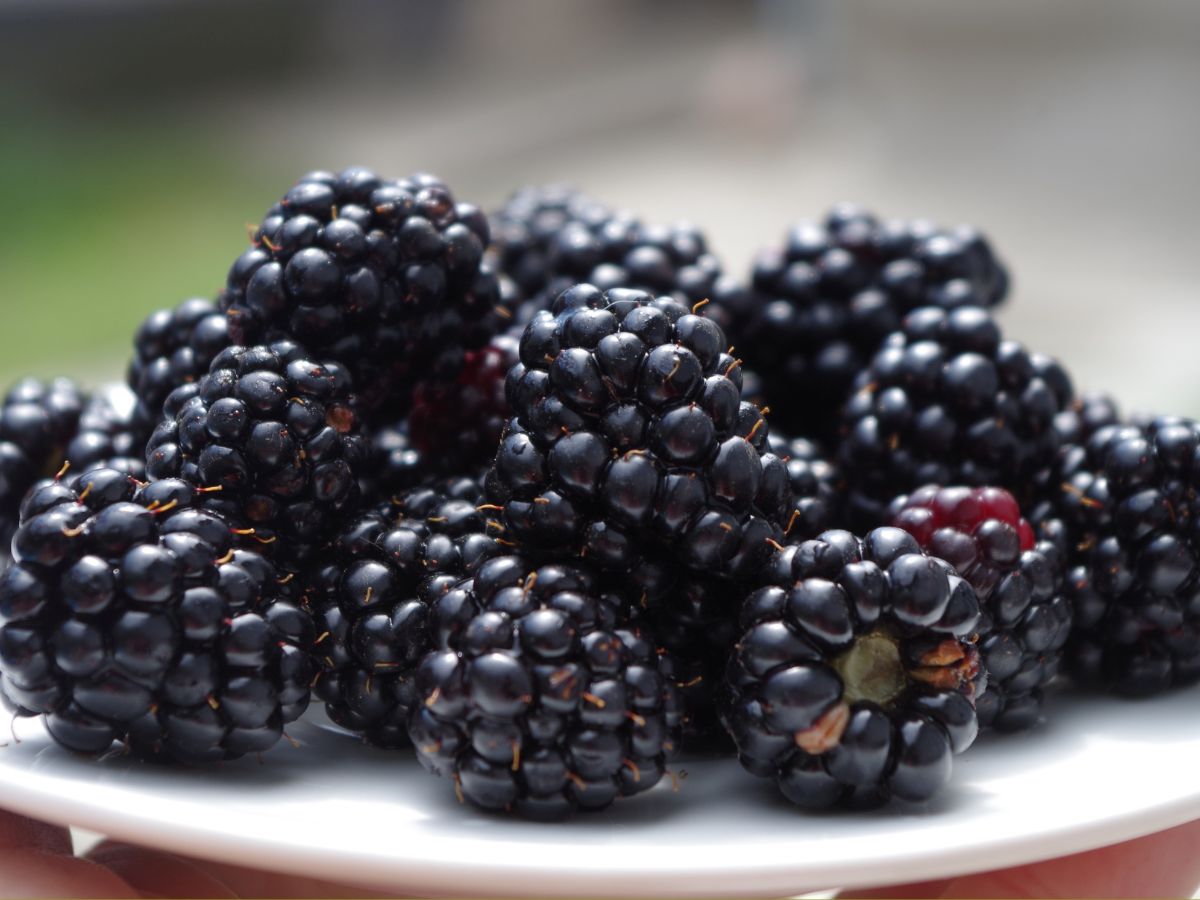
Blackberry production and consumption have increased in the United States over the past decade. Similarly, blackberry production acreage in Georgia has increased from 300 acres in 2009 to 1,858 acres in 2024 (NASS-USDA, 2024). Even though consumers prefer fruit with a good external appearance, repeat purchases depend on flavor.
Posted in: Spring 2025 -
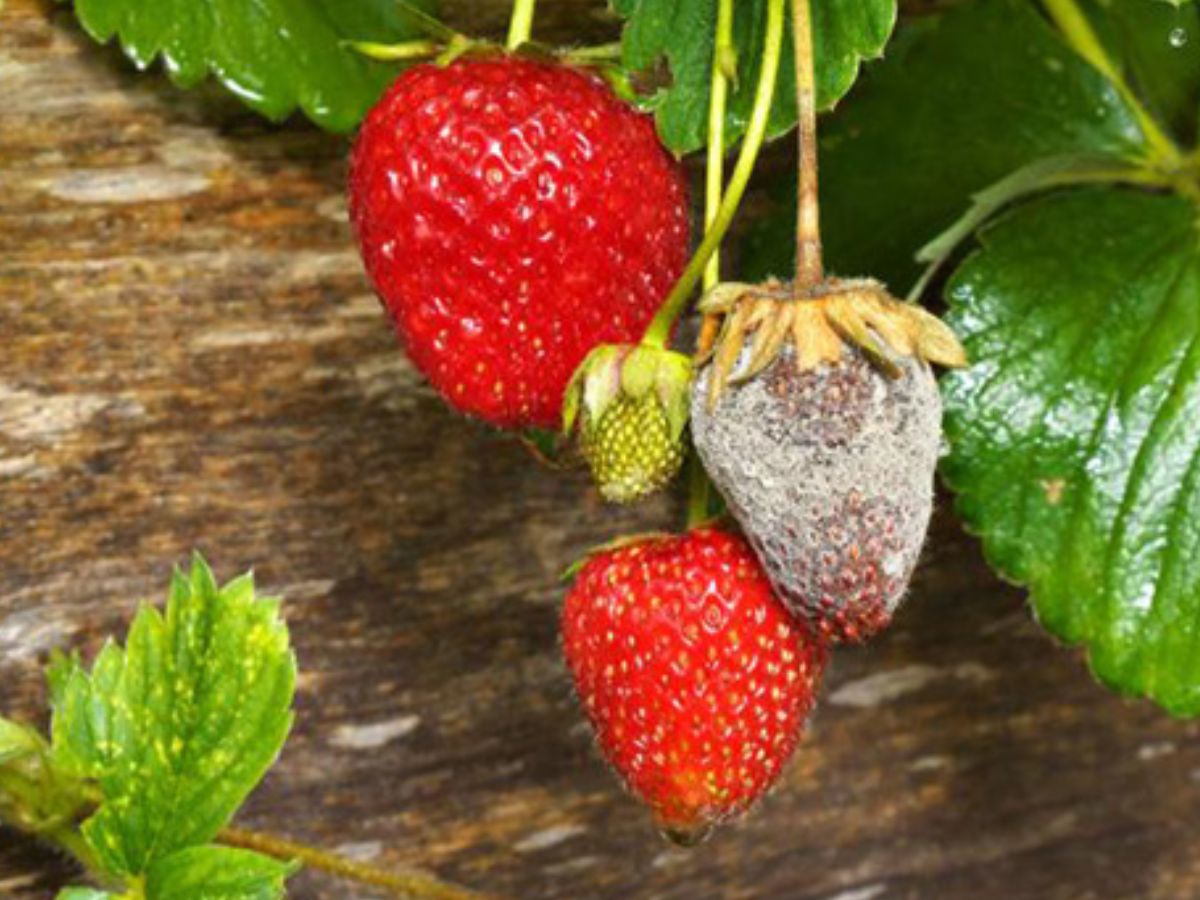
The Southern Region Small Fruit Consortium (SRSFC) allocated $5000 for fungicide resistance testing in Botrytis spp. through Clemson’s Molecular Plant Pathogen Detection Lab. Learn how to submit samples.
Posted in: Spring 2025 -

Interested in field tours? Take a look at opportunities to attend southern regional events during June 2025.
Posted in: Spring 2025